The Inheritance
Every bottle has a backstory.
Before Working Title, there was this.
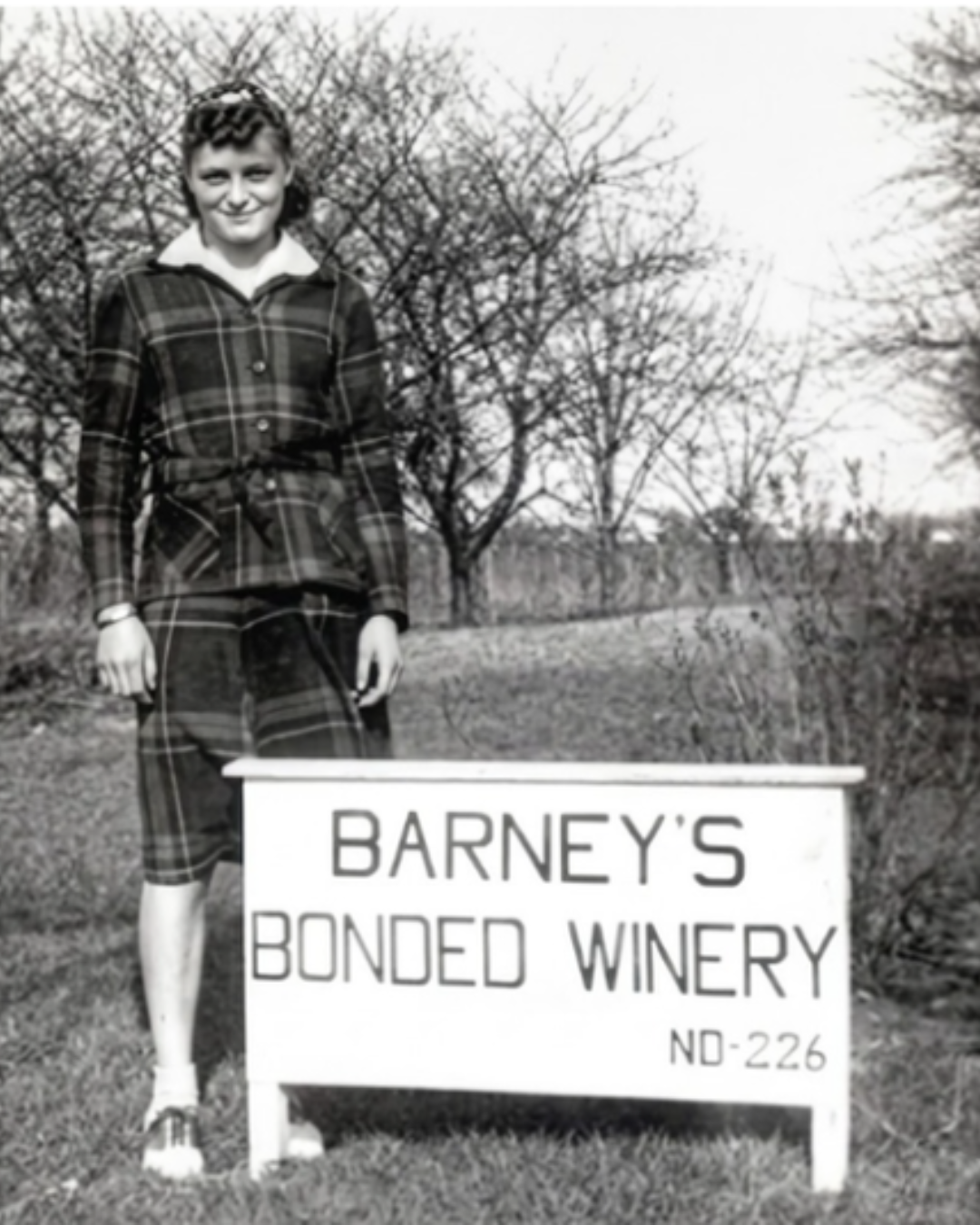
Vanessa’s Great Aunt Glady, outside the family winery. Barney's Bonded Winery No. 226 produced Ohio Concord Wine for the table and the community — the way wine has always been made by people who simply understood the land.
My family worked the land in the American Midwest for generations — crops, cattle, dairy — with the kind of quiet, unglamorous dedication that farming demands and rarely rewards with recognition. They understood seasons, soil, and the patience required to tend something living.
My paternal family came to America from Germany, where a winery bearing the Jungbluth name still operates today in a town that has been making wine for over 1,100 years. My branch of the family tree landed in northeast Ohio where multiple generations of my family made Concord wine from Ohio grapes , for the table and the community, long before wine became a profession. I am the seventh generation in wine on American soil. My maternal roots run through Central Europe — Hungarian and Bohemian ancestry that connects me personally to some of the most distinctive and underrepresented wine regions in the world. Together, that heritage will shape the Working Title portfolio in ways no other Chicago importer can replicate.
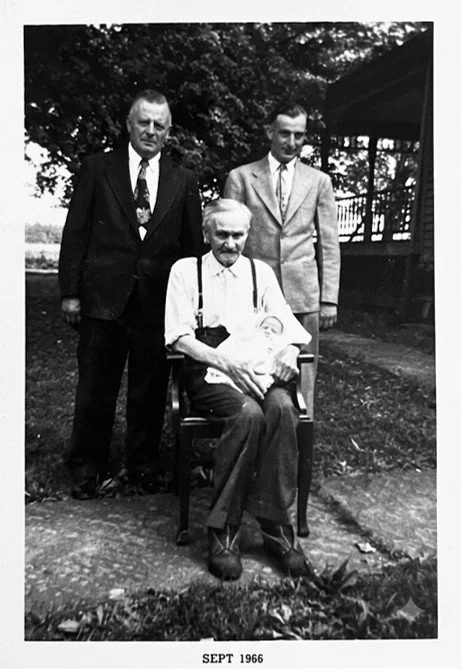
Jungbluth generations three through six: Barney, Leroy, Anton, Jerry
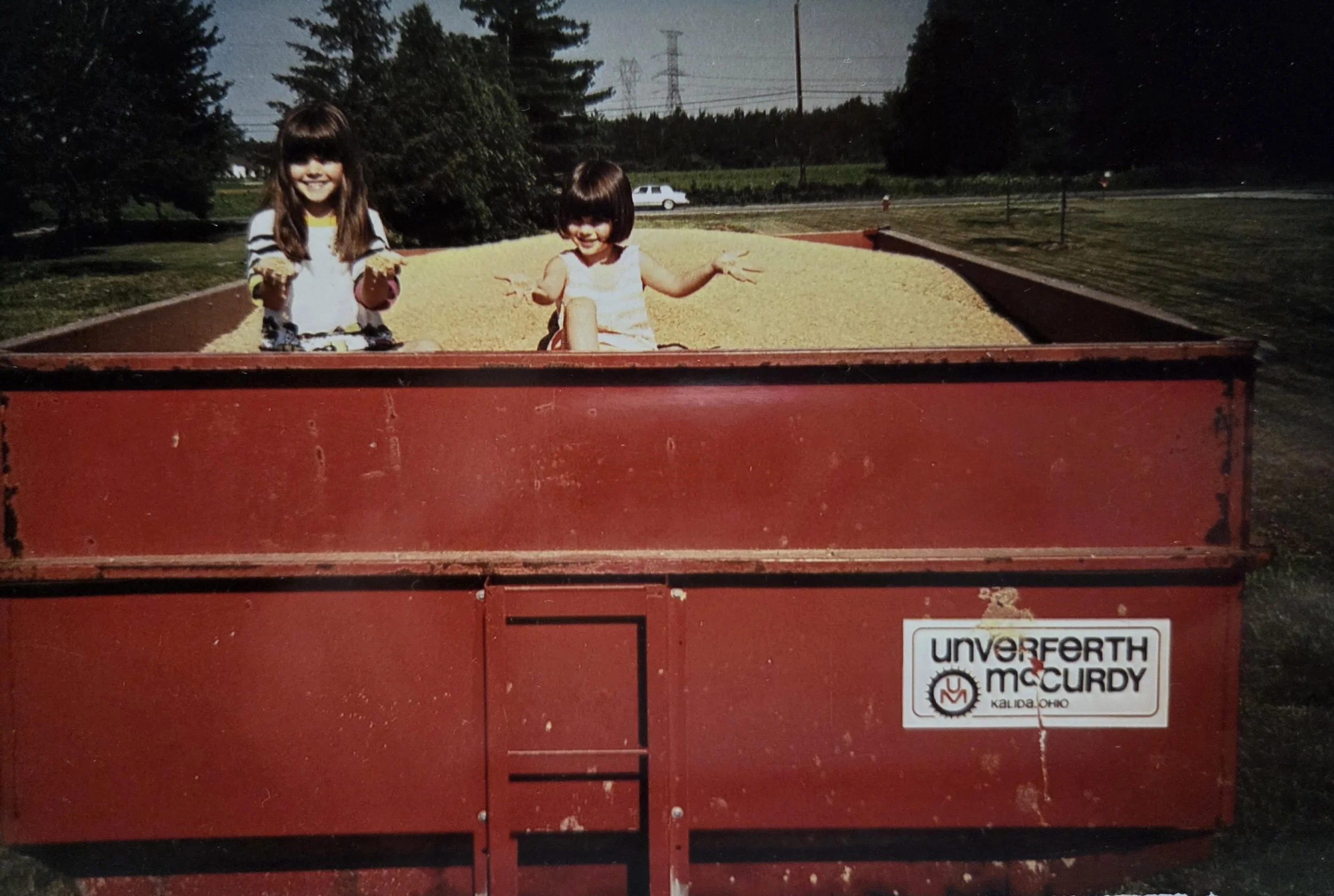
Vanessa and her younger sister, Adriane, after the soybean harvest of 1989.
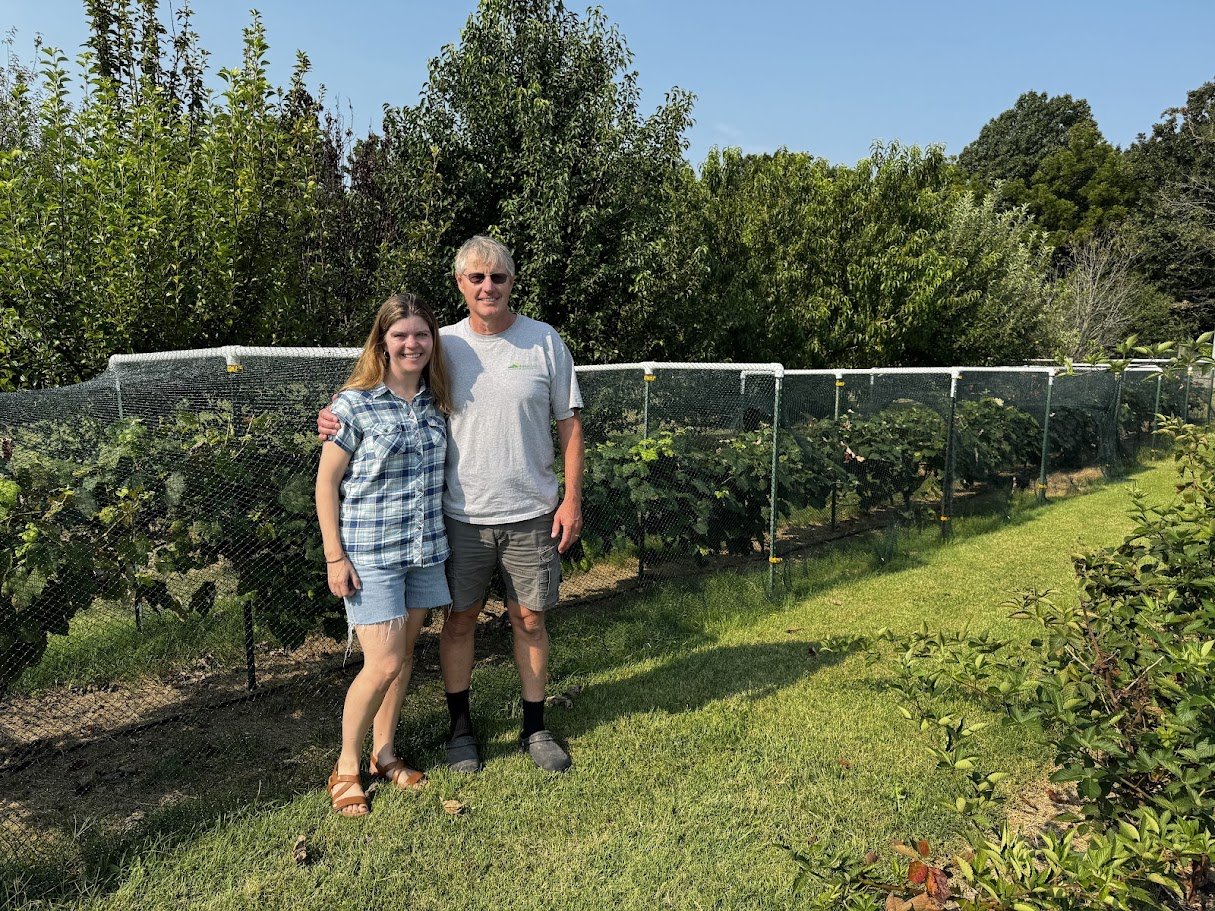
The tradition continues. With my cousin, Bob, in front of a row of his Concord grape vines.
The Emblem
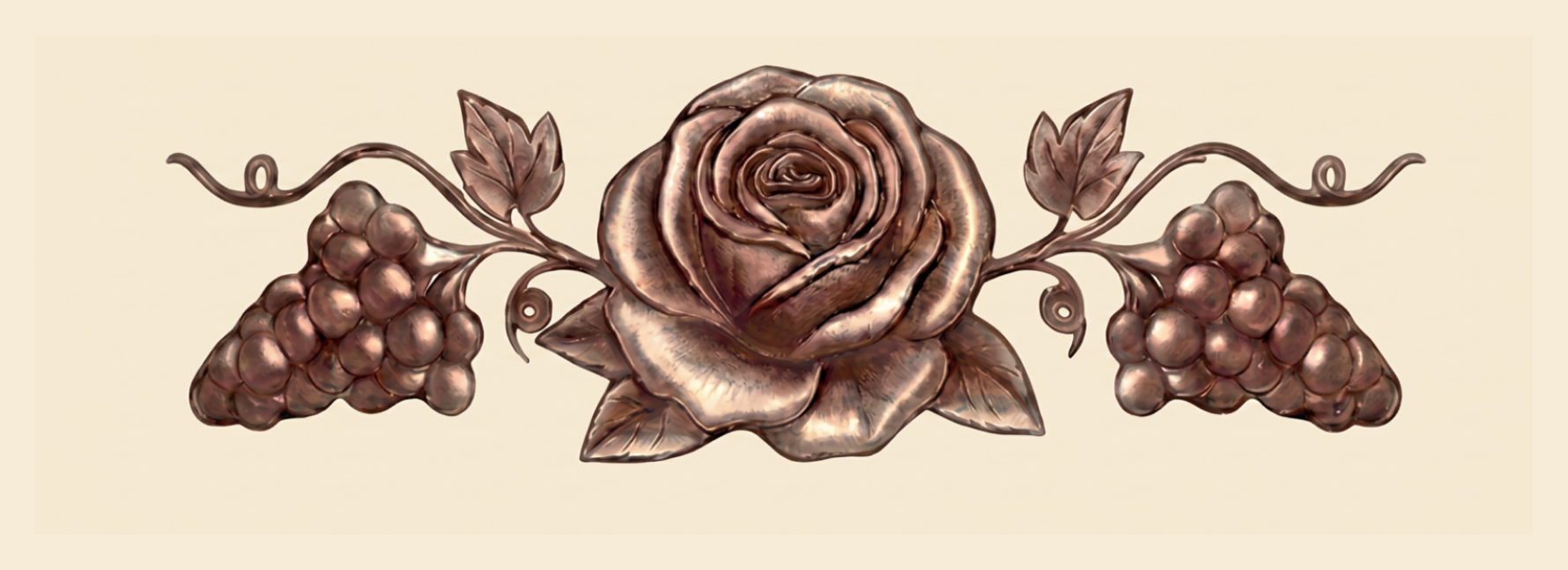
The mark of Working Title is not a design choice. It is a family inheritance.
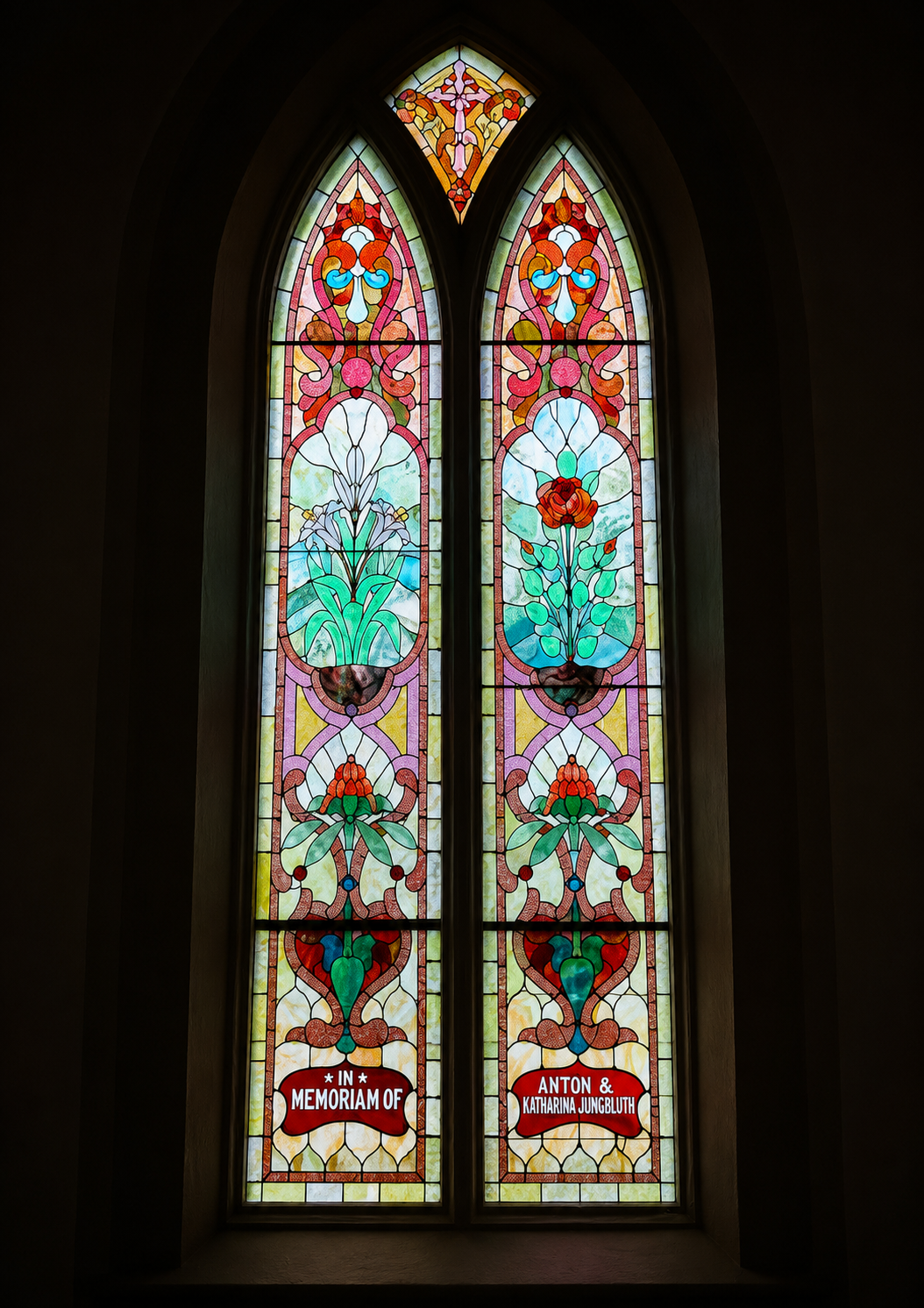
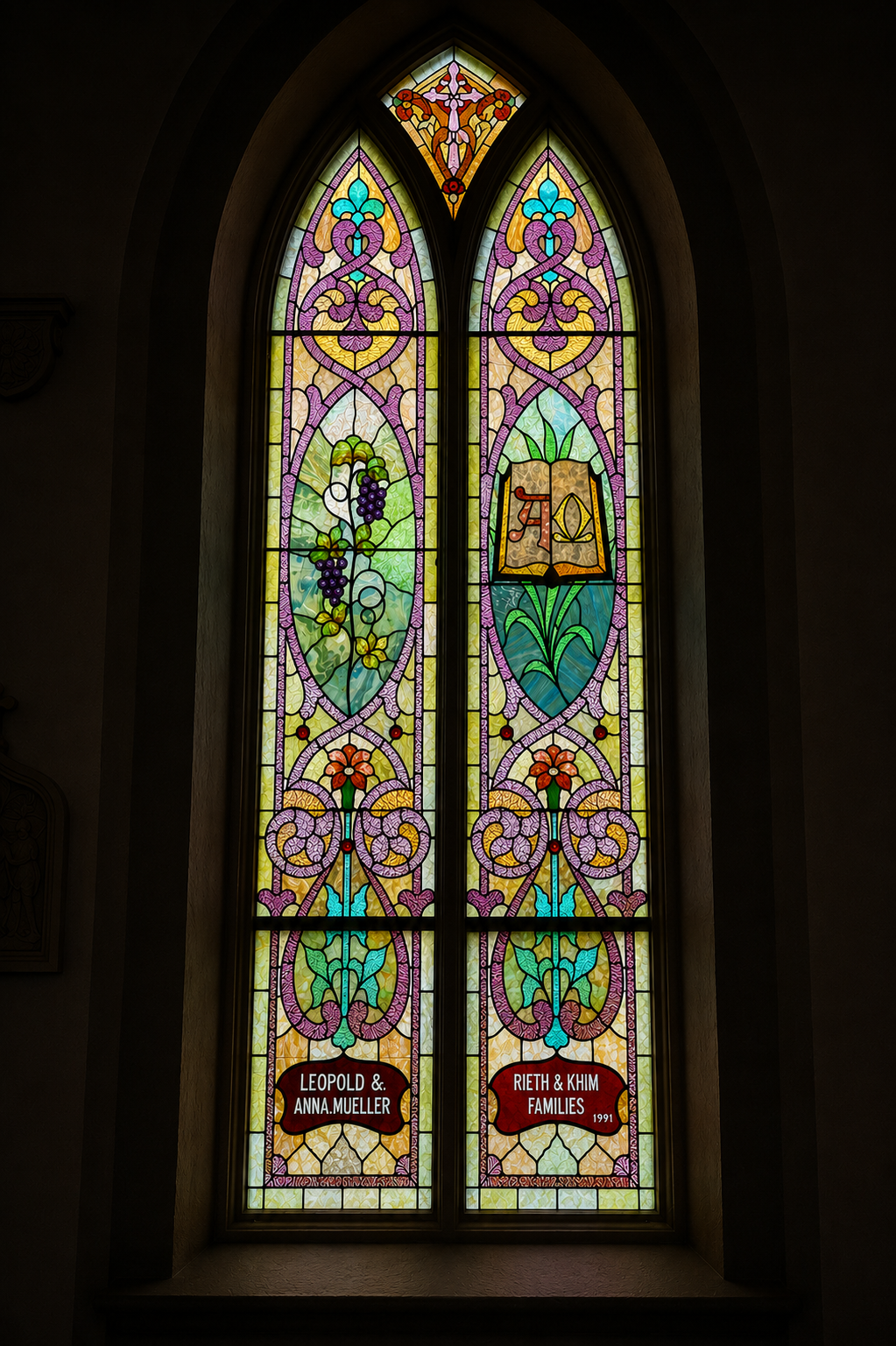
My great-great-grandparents installed a stained glass window in St. Teresa of Ávila, my family's local parish in Sheffield Village, Ohio — a window that still stands today. It features both a rose and a grape vine. When my parents built their home, they carried that imagery forward, commissioning their own stained glass drawn from that same original design. Both images have passed through five generations of my family, from a house of worship to a family home and now to the mark of a wine merchant.
The rose, it turns out, has always belonged in a vineyard. For centuries, European vignerons planted roses at the ends of their vine rows — first, as a practical early warning system for mildew and disease and, over time, as a symbol of the marriage between beauty and agriculture that defines great winemaking. My family chose that rose long before any of us knew that.
The grapes beside it are no coincidence either. They are the fruit of the vine, the reason the land is worked, the thing worth passing down.